
When it comes to underground utility work, construction, and infrastructure projects in British Columbia, two common excavation methods are often considered: hydro excavation and traditional trenching. Both approaches have distinct advantages and limitations, and choosing the right method can greatly influence project safety, cost, and efficiency.
This article explores the differences between these methods, highlights where each works best, and helps you decide which approach may be suitable for your next project.
What Is Hydro Excavation?
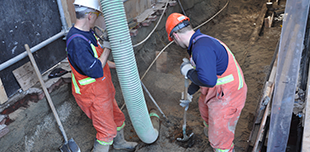
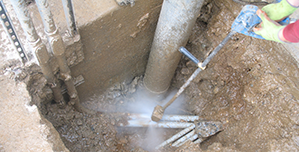
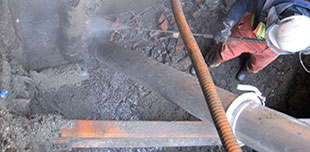
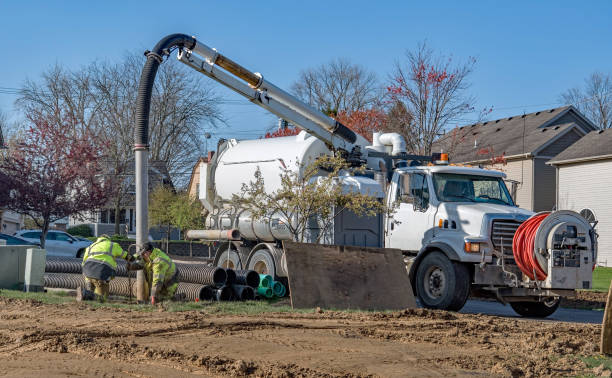
Hydro excavation is a non-mechanical digging process that uses pressurized water combined with a powerful vacuum system to safely remove soil and debris. The method is widely adopted across BC due to its precision and safety.
Key Features of Hydro Excavation:
- Uses water pressure to break up soil.
- Employs an industrial vacuum to collect and store debris.
- Minimizes the risk of damaging underground infrastructure such as gas lines, fiber-optic cables, and water pipes.
This approach is becoming increasingly popular for municipal projects, utility installation, and industrial work. Searching for hydro excavation near me is often the first step for businesses and contractors who want a safe and reliable option.
What Is Traditional Trenching?
Traditional trenching involves the use of heavy machinery such as backhoes or excavators to dig trenches for laying pipes, cables, or other utilities.
Key Features of Traditional Trenching:
- Mechanically digs large amounts of soil at once.
- Can be faster in rural areas where underground utilities are limited.
- Requires more manual backfilling and restoration of the site.
This method has been used for decades but carries a higher risk of striking underground utilities and creating larger surface disruption.
Hydro Excavation vs Traditional Trenching: Side-by-Side Comparison
The table below provides a direct comparison of these two excavation methods:
| Criteria | Hydro Excavation | Traditional Trenching |
| Safety | High – minimizes utility strikes | Moderate – higher chance of hitting utilities |
| Precision | Very precise, suitable for congested areas | Less precise, better for open rural projects |
| Soil Removal | Controlled and clean | Large, uneven soil displacement |
| Environmental Impact | Lower – less surface disruption | Higher – extensive ground disturbance |
| Speed | Moderate, but efficient in urban environments | Faster in open and utility-free areas |
| Cost Efficiency | Cost-effective for risk management | Lower upfront cost, but higher repair risks |
Advantages of Hydro Excavation in BC
Hydro excavation has become a preferred method across British Columbia because it addresses many challenges associated with traditional digging.
1. Reduced Risk of Damage
With many cities in BC having complex underground networks, hydro excavation reduces the chance of hitting vital infrastructure.
2. Improved Safety for Workers
By minimizing mechanical digging, the likelihood of accidents and cave-ins decreases significantly.
3. Better for Urban Projects
Urban areas like Vancouver, Surrey, and Burnaby benefit from precise excavation that minimizes disruption to traffic and businesses.
4. Environmentally Friendly
Hydro excavation creates smaller, controlled work zones and reduces soil disturbance, which helps with site restoration.
When Traditional Trenching Makes Sense
While hydro excavation has clear benefits, traditional trenching still plays a role in BC projects.
- Rural Projects: In remote areas with fewer underground utilities, trenching can be quicker and more cost-effective.
- Large-Scale Earthworks: Projects requiring long, continuous trenches may benefit from mechanical digging.
- Budget Constraints: For smaller projects without underground risks, trenching remains a practical option.
Choosing the Right Excavation Method in BC
The decision between hydro excavation and traditional trenching depends on project requirements, location, and risk level.
- If the project is in an urban or utility-dense area, hydro excavation is generally the safer choice.
- If the project is in a remote, utility-free area, traditional trenching may save time and money.
- Contractors often combine both methods depending on the specific stage of the project.
Conclusion
Both hydro excavation and traditional trenching have their place in construction and utility projects across BC. Hydro excavation offers safety, precision, and minimal disruption, making it especially valuable in urban areas. Traditional trenching, however, remains efficient for large rural projects where underground risk is minimal.
For accurate excavation solutions in BC, reach out to the experts. Contact us today to discuss your project requirements and find the safest and most efficient method for your site.
In the end, when it comes to professional services in this space, Edenflo Pump Truck Services has established a reputation for reliable hydro excavation support in BC.
FAQs on Hydro Excavation vs Traditional Trenching
Q1: Is hydro excavation more expensive than traditional trenching?
Hydro excavation may have higher upfront costs, but it reduces the risk of costly utility strikes and repairs, making it more cost-efficient in the long run.
Q2: How deep can hydro excavation go?
Hydro excavation can safely reach depths of 30 feet or more, depending on soil conditions and equipment capacity.
Q3: Is hydro excavation suitable for winter projects?
Yes, hydro excavation can be performed in frozen ground conditions by using heated water, making it reliable year-round.
Q4: What type of projects benefit most from hydro excavation?
Utility installation, pole setting, slot trenching, and daylighting underground utilities are among the most common uses.
Q5: Does hydro excavation require special permits in BC?
In many municipalities, permits are required for excavation. Hydro excavation often simplifies the permitting process due to its lower risk.
Q6: Can hydro excavation replace trenching completely?
Not always. While hydro excavation is safer and more precise, trenching may still be preferred for long-distance projects in areas without underground congestion.